ॐ असतो मा सद्गमय । तमसो मा ज्योतिर्गमय । मृत्योर्माऽमृतं गमय ॥
Back to YOGICTOWN Wisdom VaultVault • Foundations of Yoga
Foundations of YogaAdvaita VedantaSadhak (Free)18 min read

योगस्य शाश्वत यात्रा : वैदिक कालात् आधुनिक युगं प्रति

The Timeless Journey of Yoga: From Ancient India to Modern Living

The 5,000-year evolution of yoga: from the hymns of the Rigveda, the Upanishads, and Patanjali’s classical codification, through the medieval Hatha renaissance to modern global studios.
Acharya Devendra Shastri

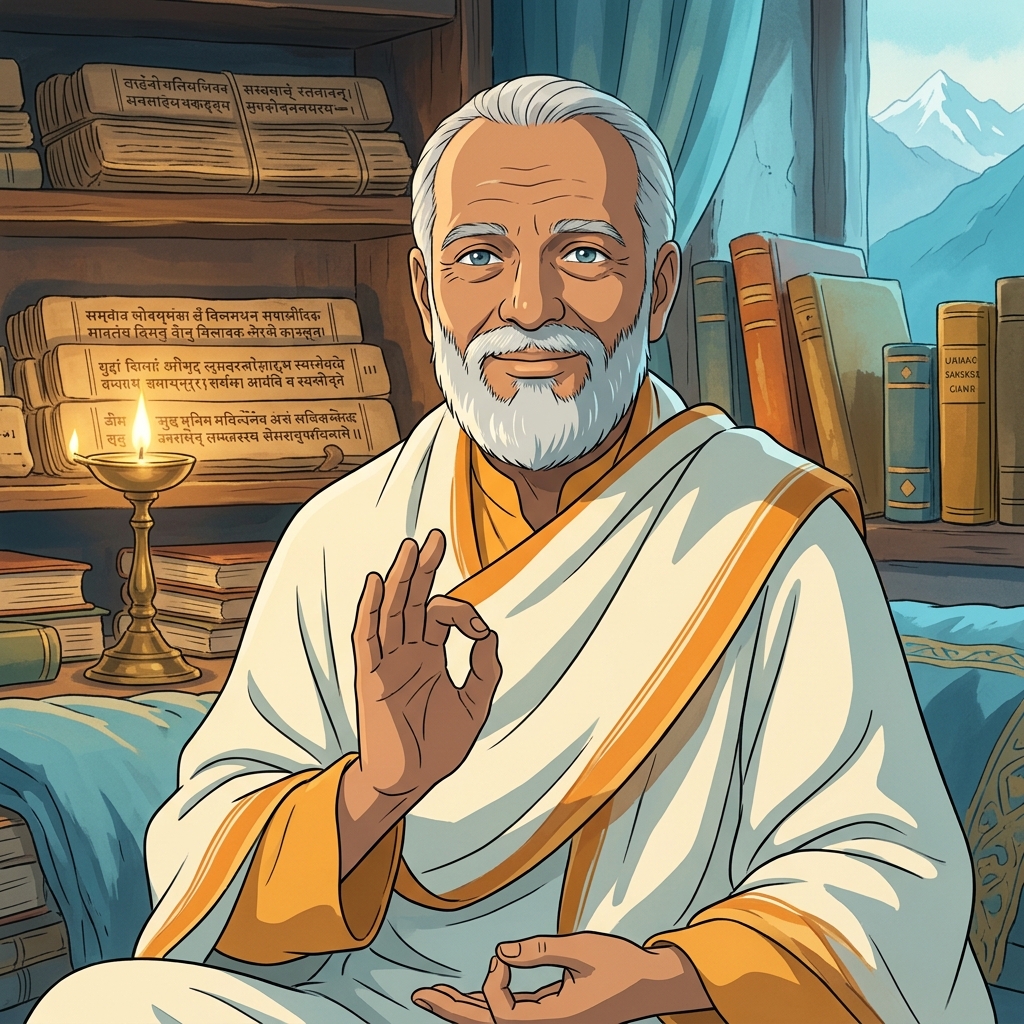
Acharya Devendra Shastri

Indian Yoga Guru & Vedantic Master (20+ Years Teaching Experience)

✦ 20+ Years of Teaching in Rishikesh, Varanasi, Mysore, and Worldwide

The Timeless Journey of Yoga: From Ancient India to Modern Living
Mula Shloka & Sanskrit Inscription
ॐ सह नाववतु । सह नौ भुनक्तु । सह वीर्यं करवावहै । तेजस्वि नावधीतमस्तु मा विद्विषावहै ॥ ॐ शान्तिः शान्तिः शान्तिः ॥

oṁ saha nāvavatu | saha nau bhunaktu | saha vīryaṁ karavāvahai | tejasvi nāvadhītamastu mā vidviṣāvahai || oṁ śāntiḥ śāntiḥ śāntiḥ ||

"May the Divine protect us both (teacher and student). May we be nourished together. May we work together with great energy. May our study be brilliant. May there be no hatred between us. Om Peace, Peace, Peace."

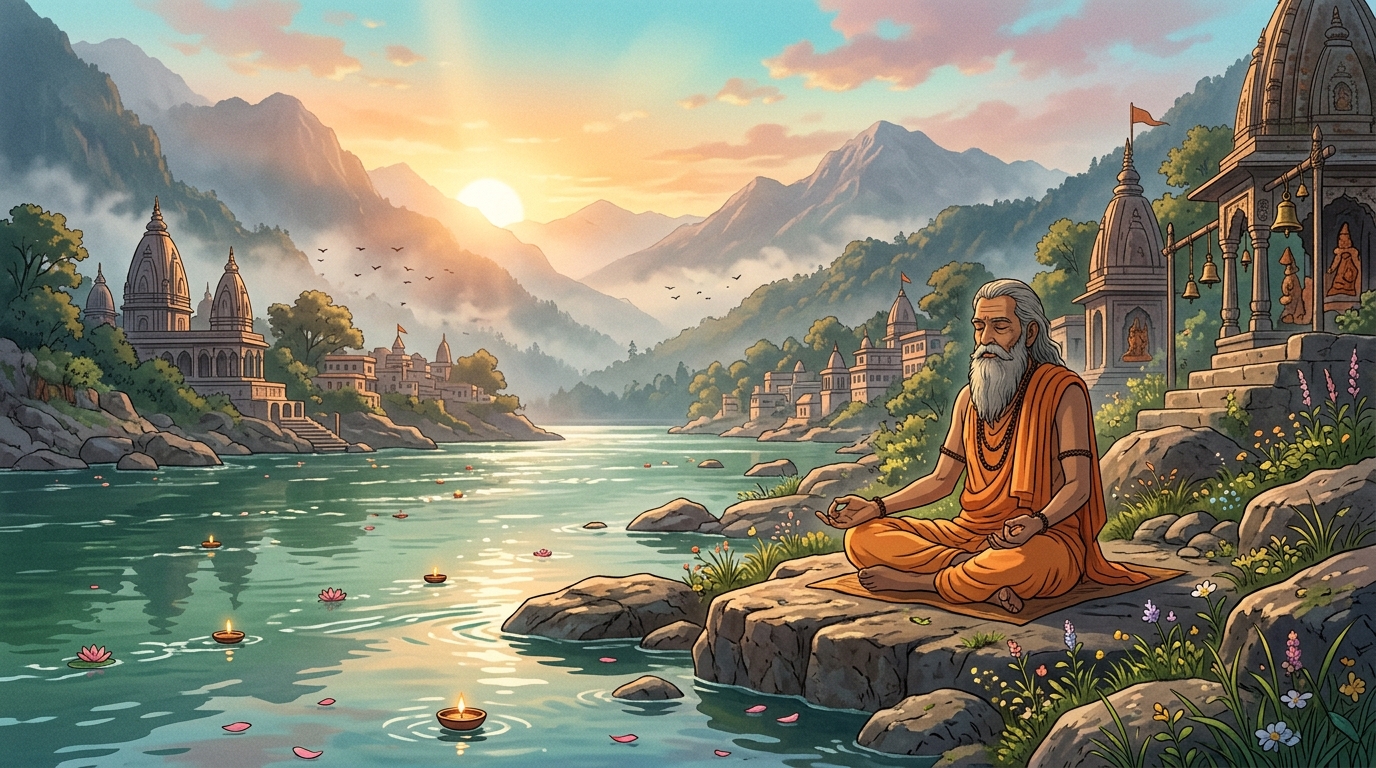
In traditional Indian yoga, every posture, breath, and philosophical reflection is a conscious pathway to reconnect the individual soul (Jivatman) with universal consciousness (Paramatman). Through the sacred science of breath, ethical grounding, and mental discipline, we transcend modern agitation and discover natural inner peace.

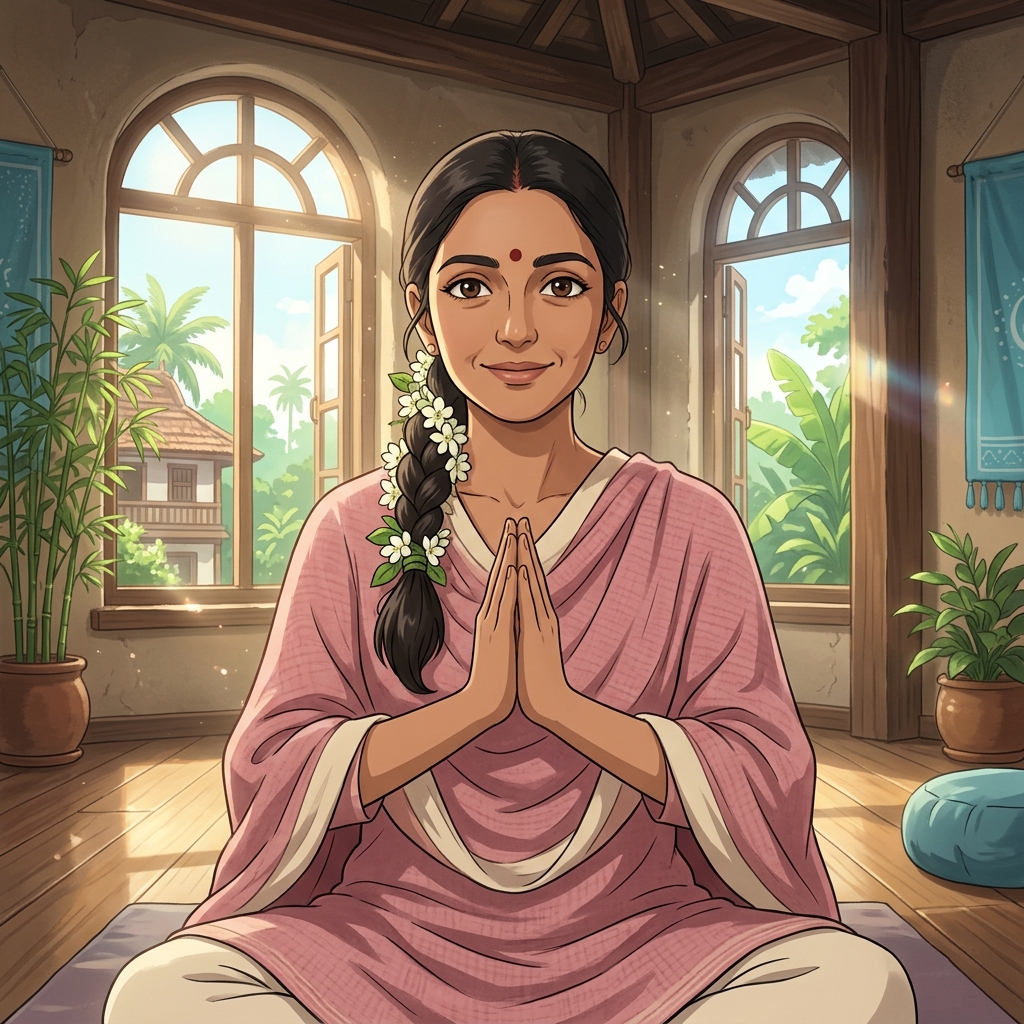
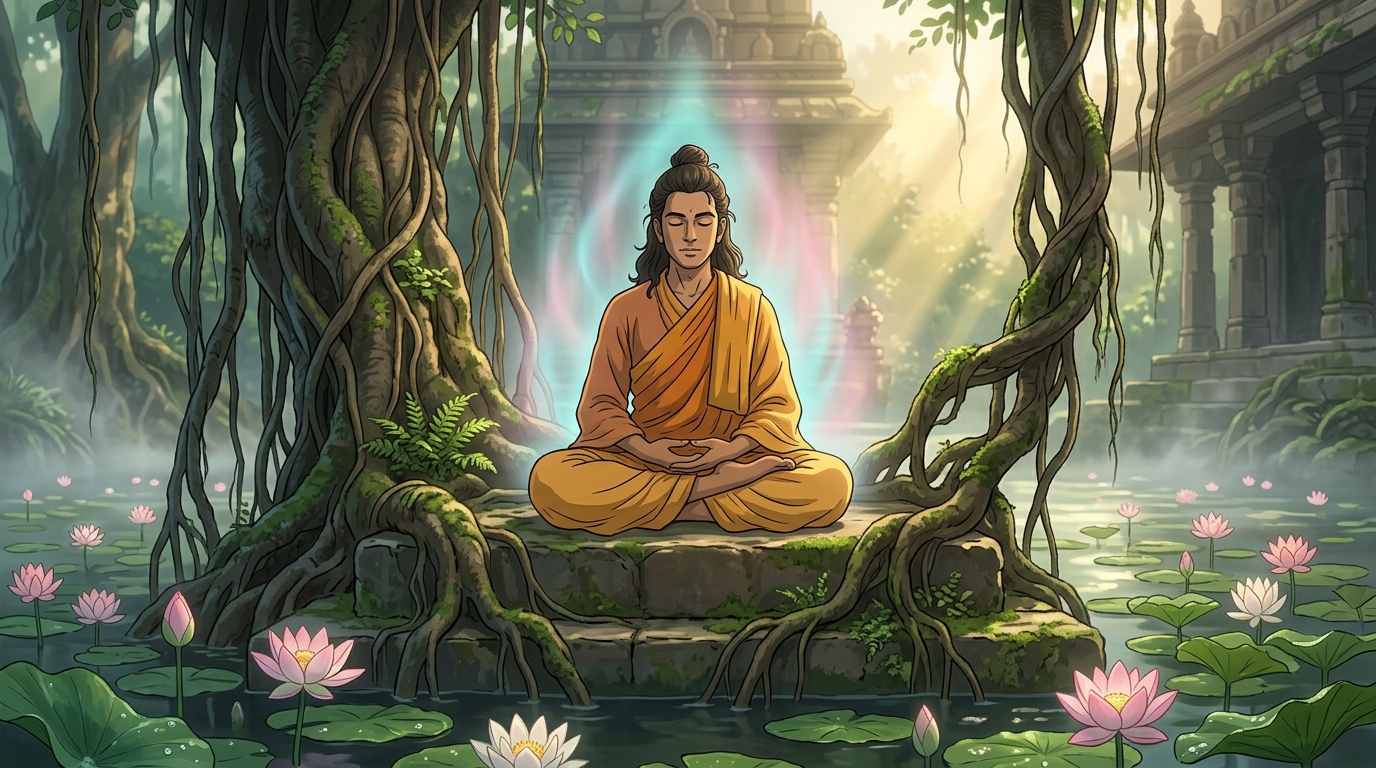
### Introduction – Namaste, My Dear Seeker Namaste 🙏, When we join our palms together in greeting, it is not merely a cultural gesture. It is an acknowledgment that the divine within me bows to the divine within you. This simple act captures the very essence of yoga — *yuj*, meaning "union," the connection of mind, body, and spirit with the infinite consciousness. I was born in a small town in India, where the morning began with the sound of temple bells and the fragrance of incense wafting through the air. In my childhood, yoga was not something we "did" at a fixed time; it was woven into the fabric of daily living. My grandfather recited shlokas from the Bhagavad Gita, my grandmother churned curd while chanting mantras, and our family began the day with Surya Namaskar under the open sky. Over the decades, I have witnessed yoga evolve — from the sacred gurukuls of India to international yoga studios in New York, Tokyo, and Paris. Yet, its essence remains unchanged: it is a path to self-realization. ### The Roots of Yoga in Bharat (India) The history of yoga is as ancient as the civilization itself. The first seeds of this practice can be found in the Rigveda, composed over 5,000 years ago. While the Vedas primarily focus on hymns and rituals, they also contain profound meditative practices and the early philosophical foundations of yoga. In the Upanishads, the emphasis shifted from external rituals to internal contemplation. Concepts like Prana (life force), Atman (soul), and the ultimate reality (Brahman) were explored, laying the foundation for yogic philosophy. Perhaps the most systematic codification came from Maharishi Patanjali, around 200 BCE, in the form of the Yoga Sutras — 196 concise aphorisms that remain the guiding light for yogis even today. Patanjali described yoga as "Chitta Vritti Nirodhah" — the stilling of the fluctuations of the mind. ### Philosophy of Yoga – Beyond the Physical In my years of teaching, I have often met students who think yoga is simply a form of exercise. While asanas (postures) are important, they form just one part of the grand tapestry. Patanjali’s Ashtanga Yoga outlines eight limbs: 1. **Yama** – Ethical guidelines (non-violence, truthfulness, non-stealing, continence, non-possessiveness). 2. **Niyama** – Personal observances (cleanliness, contentment, discipline, self-study, surrender to the divine). 3. **Asana** – Physical postures. 4. **Pranayama** – Control of breath. 5. **Pratyahara** – Withdrawal of senses from distractions. 6. **Dharana** – Concentration. 7. **Dhyana** – Meditation. 8. **Samadhi** – Union with the absolute. ### Historical Journey Through Ages - **Vedic Period**: Meditation and mantra chanting were central. - **Upanishadic Period**: Philosophical refinement and the search for inner truth. - **Classical Period (Patanjali)**: Structured practice of the eight limbs. - **Medieval Period**: The rise of Hatha Yoga, focusing on physical purification and energy awakening through texts like Hatha Yoga Pradipika and Gheranda Samhita. - **Modern Period**: Revival by masters like Swami Vivekananda, B.K.S. Iyengar, and T. Krishnamacharya. ### Yoga in Daily Life – Ancient Rituals for Modern People The principles of Dinacharya (daily routine) from Ayurveda fit perfectly into a yogic lifestyle: - Wake before sunrise (Brahma Muhurta). - Drink warm water to cleanse the system. - Perform light stretches or Surya Namaskar. - Meditate for clarity before starting the day. Even in a busy city life, just 15 minutes of mindful breathing in the morning can transform your energy. ### Conclusion – Your Journey Begins Now If you can take one lesson from my words, let it be this: Yoga is not something you "do" for an hour a day. It is how you breathe, how you speak, how you live. Begin with a few minutes daily, and allow the practice to unfold naturally. May your path be filled with health, peace, and the joy of self-discovery. Om Shanti.

Sadhana Reflection from the Guru

Integrate this teaching into your daily life. Dedicate 10-15 minutes every morning to sit in quiet contemplation before looking at any digital screen. Breathe consciously, observe the stillness between breaths, and recall that peace is your inherent nature.

Continue Your Sadhana

Related Articles in Foundations of Yoga
View All Yoga & Meditation Articles →
The Yoga Sutras of Patanjali: Wisdom for Today’s World
Foundations of YogaPatanjali Yoga Sutras
Sadhak (Free)

पतञ्जलि योगसूत्र : आधुनिक युगस्य मार्गदर्शनम्

The Yoga Sutras of Patanjali: Wisdom for Today’s World

A contemporary master commentary on Maharishi Patanjali’s 196 sutras, translating ancient psychology into actionable clarity for digital-age practitioners.

Acharya Devendra ShastriAcharya Devendra Shastri
14 min
The Meaning of “Yoga” – Union of Mind, Body, and Spirit
Foundations of YogaAdvaita Vedanta
Sadhak (Free)

योगस्य यथार्थ स्वरूपम्

The Meaning of “Yoga” – Union of Mind, Body, and Spirit

Unpacking the Sanskrit root Yuj: moving from superficial fitness definitions to the experiential oneness of individual consciousness with universal awareness.

Acharya Devendra ShastriAcharya Devendra Shastri

7 min
Ashtanga Yoga – The Eight Limbs Explained for Everyday Practice
Foundations of YogaPatanjali Yoga Sutras
Sadhak (Free)

अष्टाङ्ग योग : दैनन्दिन जीवनस्य साधनम्

Ashtanga Yoga – The Eight Limbs Explained for Everyday Practice

A step-by-step roadmap through Yama, Niyama, Asana, Pranayama, Pratyahara, Dharana, Dhyana, and Samadhi, and how to practice each limb off the mat.

Acharya Devendra ShastriAcharya Devendra Shastri
12 min